DMI, Isosorbide Dimethyl Ether, Dimethyl Isosorbide - CAS 5306-85-4
Product Name: Dimethyl Isosorbide
Common Name: DMI, Isosorbide Dimethyl Ether, Dimethyl Isosorbide
INCI Name: DIMETHYL ISOSORBIDE
CAS Number: 5306-85-4
EINECS Number: 226-159-8
Molecular Formula: C₈H₁₄O₄
Molecular Weight: 174.19 g/mol
Grade: Cosmetic Grade (≥99.0% purity)
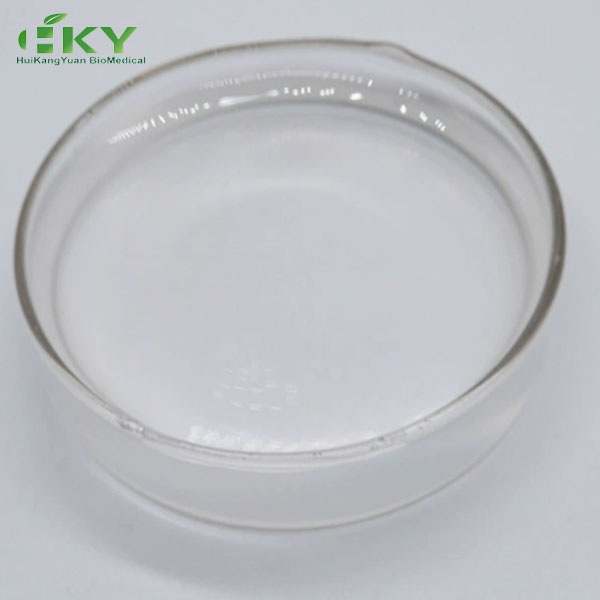
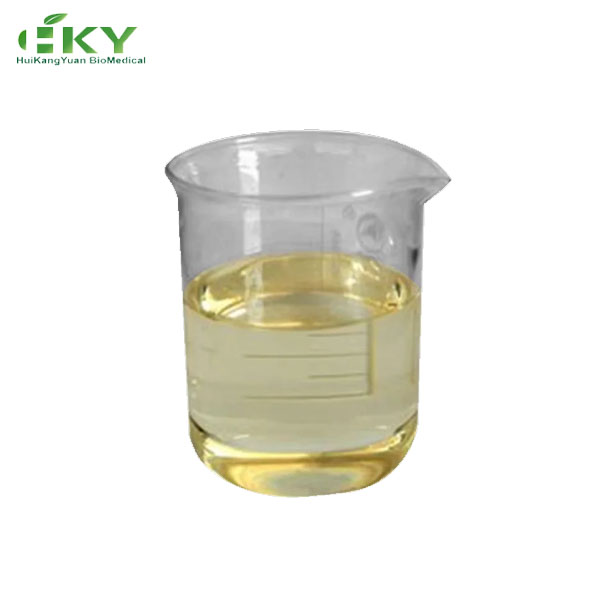
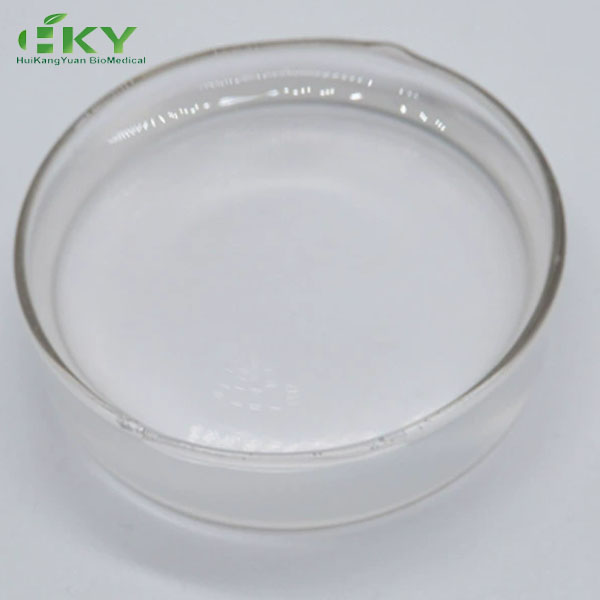
Appearance: Colorless, clear, transparent liquid
Odor: Very faint, mild, characteristic odor; nearly odorless at high purity
Taste: Not applicable (cosmetic ingredient)
Density (25°C): 1.15 - 1.17 g/cm³
Specific Gravity (20/20°C): 1.156 - 1.160
Storage Conditions: Cool, dry place, sealed containers, protect from light, room temperature (15-25°C)
Shelf Life: 24-36 months from manufacturing date under proper storage
Packaging Options: 1 kg bottle, 5 kg / 25 kg drum, 200 kg drum
Minimum Order Quantity (MOQ): 1 kg (sample), 25 kg (1 drum)
DMI, Isosorbide Dimethyl Ether, Dimethyl Isosorbide - CAS 5306-85-4
DMI, Isosorbide Dimethyl Ether, Dimethyl Isosorbide - CAS 5306-85-4
Dimethyl Isosorbide (INCI: Dimethyl Isosorbide), commonly known as DMI, is a high-purity, bio-based solvent and penetration enhancer widely used in premium cosmetics and pharmaceutical transdermal delivery systems. Derived from renewable sorbitol (originating from corn starch glucose), DMI is celebrated as a "green solvent" — sustainable, non-toxic, and biodegradable.
Its unique dual solubility in both water and oils makes it exceptionally versatile. DMI is best known for its ability to safely and reversibly enhance the skin penetration of active ingredients — boosting the efficacy of vitamins, peptides, acids, and other actives without causing irritation. Beyond penetration enhancement, it serves as an excellent solubilizer for difficult-to-dissolve actives, a humectant moisturizer, a viscosity reducer, and a formulation stabilizer. Compatible with all formulation types and approved globally, DMI has become an essential ingredient in high-performance skincare positioning.
Key Benefits
✅ Reversible skin penetration - barrier recovers fully after use✅ Safe and non-irritating - suitable for sensitive skin
✅ Dual solubility - miscible with both water and oils
✅ Excellent solvent - solubilizes difficult-to-dissolve active ingredients
✅ Bio-based / renewable - derived from sorbitol (corn glucose)
✅ Green solvent - sustainable, non-toxic, biodegradable
✅ Humectant moisturizer - attracts and retains skin moisture
Applications
Skincare - Serums & Essences (30% of cosmetic usage):
• Vitamin C serums: 3-8% - enhances penetration + stabilizes vitamin C
• Retinol / vitamin A serums: 3-10% - boosts absorption, reduces irritation
• Peptide serums: 2-8% - improves peptide delivery into skin
• Hyaluronic acid serums: 1-5% - enhances hydration + penetration
• Niacinamide serums: 2-5% - boosts niacinamide efficacy
• Ampoules / concentrated treatments: 5-10% - maximum active delivery
• Exfoliating serums (AHAs/BHAs): 2-5% - enhances exfoliation, reduces irritation
• Antioxidant serums: 2-8% - boosts antioxidant penetration
Anti-Aging & Anti-Wrinkle Products (20%):
• Anti-aging creams: 2-5% - enhances retinol / peptide absorption
• Wrinkle serums: 3-8% - boosts active delivery to reduce fine lines
• Firming creams: 2-6% - improves active penetration for firming
• Neck / décolletage creams: 2-5% - enhanced anti-aging delivery
• Eye creams / serums: 1-3% - gentle enhancement for delicate eye area
• Night creams: 3-6% - intensive overnight active delivery
• Collagen-boosting products: 2-6% - enhances collagen-stimulating actives
Brightening & Whitening Products (18%):
• Vitamin C brightening serums: 3-8% - enhances vitamin C penetration
• Tranexamic acid products: 2-6% - boosts tranexamic acid delivery
• Arbutin serums: 2-5% - improves arbutin absorption and efficacy
• Niacinamide brightening: 2-5% - enhances niacinamide brightening effect
• Kojic acid products: 2-5% - solubilizes + enhances kojic acid
• Dark spot correctors: 3-8% - targeted active delivery to pigmented areas
• Glow / radiance products: 2-6% - overall brightening enhancement
Certificate Of Analysis (COA)
Test Item | Specification | Test Result | Test Method |
Product Identification | |||
Product Name | Dimethyl Isosorbide | Dimethyl Isosorbide (DMI) | —— |
INCI Name | DIMETHYL ISOSORBIDE | DIMETHYL ISOSORBIDE | —— |
CAS Number | 5306-85-4 | 5306-85-4 | —— |
EINECS Number | 226-159-8 | 226-159-8 | —— |
Chinese Name | 异山梨醇二甲醚 | 异山梨醇酐二甲醚 | —— |
Chemical Name | 1,4:3,6-Dianhydro-2,5-di-O-methyl-D-glucitol | 1,4:3,6 - 二脱水 - 2,5 - 二 - O - 甲基 - D - 葡萄糖醇 | —— |
Grade | Cosmetic Grade | Premium Cosmetic Grade | —— |
Molecular Formula | C₈H₁₄O₄ | C₈H₁₄O₄ | —— |
Molecular Weight | 174.19 g/mol | 174.19 g/mol | —— |
Source | Bio-based (sorbitol derived) | Bio-based from corn sorbitol | —— |
Organoleptic Properties | |||
Appearance | Colorless clear liquid | Colorless transparent liquid | Visual |
Odor | Very faint characteristic | Very mild, nearly odorless | Olfactory |
Color (APHA) | ≤20 | 8 | APHA / Hazen |
Physical Properties | |||
Density (25°C) | 1.15 - 1.17 g/cm³ | 1.158 g/cm³ | Pycnometer |
Refractive Index (n₂₀/D) | 1.460 - 1.462 | 1.4612 | Refractometer |
Boiling Point (atm) | ~288°C | 289°C | Distillation |
Flash Point | >150°C | 165°C | Closed cup |
Viscosity (25°C) | 10 - 15 mPa·s | 12.5 mPa·s | Rotational viscometer |
Pour Point | < -20°C | < -25°C | —— |
Chemical Properties | |||
Purity (GC) | ≥99.0% | 99.4% | Gas Chromatography |
Water Content | ≤0.1% | 0.03% | Karl Fischer |
pH (10% aqueous) | 5.0 - 7.0 | 5.8 | pH meter |
Acid Value | ≤0.1 mg KOH/g | 0.03 mg KOH/g | Titration |
Saponification Value | ≤0.5 mg KOH/g | 0.1 mg KOH/g | Titration |
Hydroxyl Value | ≤2.0 mg KOH/g | 0.8 mg KOH/g | Titration |
Peroxide Value | ≤1.0 meq/kg | 0.2 meq/kg | Iodometric |
Residue on Ignition | ≤0.1% | 0.02% | Gravimetric |
Purity & Impurities (GC) | |||
Monomethyl isosorbide | ≤0.5% | 0.2% | GC |
Isosorbide (unmethylated) | ≤0.2% | 0.05% | GC |
Other related substances | ≤0.3% | 0.15% | GC |
Total impurities | ≤1.0% | 0.6% | GC |
Heavy Metals & Contaminants | |||
Heavy Metals (as Pb) | ≤10 ppm | <2 ppm | ICP-MS |
Arsenic (As) | ≤2 ppm | <0.5 ppm | ICP-MS |
Lead (Pb) | ≤1 ppm | <0.3 ppm | ICP-MS |
Mercury (Hg) | ≤1 ppm | <0.1 ppm | ICP-MS |
Cadmium (Cd) | ≤1 ppm | <0.1 ppm | ICP-MS |
Solubility Test | |||
Water solubility | Clear solution (1:1) | Clear, fully miscible | Visual |
Ethanol solubility | Clear solution | Fully miscible | Visual |
Propylene glycol solubility | Clear solution | Fully miscible | Visual |
Microbiological | |||
Total Aerobic Count | ≤100 CFU/g | <10 CFU/g | Plate Count |
Yeast & Mold | ≤10 CFU/g | <10 CFU/g | Plate Count |
E. coli | Negative | Negative | —— |
Salmonella | Negative | Negative | —— |
Pseudomonas aeruginosa | Negative | Negative | —— |
Staphylococcus aureus | Negative | Negative | —— |
Candida albicans | Negative | Negative | —— |
Regulatory Compliance | |||
China IECIC | Compliant | Pass | —— |
EU CosIng | Compliant | Pass | —— |
Heavy metals (cosmetic) | Meet limits | All pass | —— |
Final Conclusion | —— | PASSED - MEETS COSMETIC GRADE REQUIREMENTS | —— |
Frequently Asked Questions (FAQ)
Q1: What exactly is DMI (Dimethyl Isosorbide) and how does it work as a penetration enhancer?
A: DMI is a bio-based solvent and penetration enhancer derived from sorbitol (corn glucose). It works by temporarily and reversibly altering the skin's stratum corneum structure.
Q2: What's the recommended usage level of DMI in different cosmetic products?
A: DMI is versatile and can be used at a wide range of concentrations depending on the product type and desired effect.
Contact Us
💌 Contact us today for technical data, formulation guidance, and competitive pricing! E-mail:
You Might Also Like
1.ur Products A full range of high-quality cosmetic raw materials, including plant extracts, natural active ingredients, skin care actives and formulation additives. Stable supply & strict quality control.